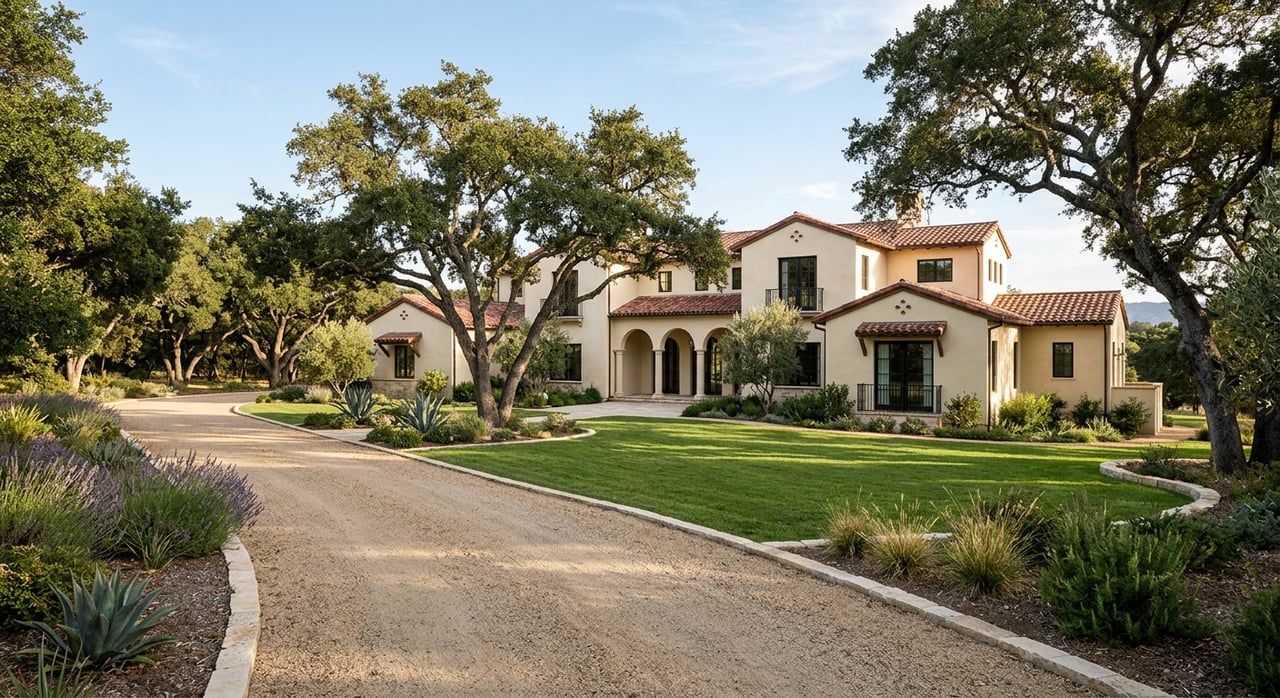
Bartonville Acreage Home Buying Tips Before You Buy
July 16, 2026
July 16, 2026
Acreage can feel like the dream setup in Bartonville: more room, more privacy, and more flexibility. But buying land with a house on it is not the same as buying a typical suburban lot, and the details can affect your budget, plans, and day-to-day life. If you are thinking about buying acreage here, it helps to know what to check before you fall in love with the property. Let’s dive in.
In Bartonville, acreage is shaped by a clear larger-lot zoning framework. The town includes AG, RE-5, RE-2, and R-1 districts, with minimum lot sizes ranging from 10 acres in AG to 1 acre in R-1.
That matters because a property is not defined by acreage alone. The town’s residential development standards also look at frontage, lot width, depth, lot coverage, and minimum dwelling size. In other words, two properties with similar acre counts may not offer the same options.
Before you focus on the house itself, confirm the parcel’s zoning district. That one step can shape what you may be able to do with additions, accessory buildings, lot changes, or future improvements.
Bartonville’s planning and mapping resources show zoning, land use, roadways and thoroughfares, and FEMA floodplain information. That makes parcel-level research especially important when you are comparing acreage properties.
With acreage, you are often buying a site as much as a home. Access, drainage, utilities, and the physical layout of the lot can be just as important as the number of bedrooms or the kitchen finishes.
That is one reason larger-lot purchases can feel more complex than expected. A beautiful home may still come with site conditions that affect future costs or limit your plans.
Utilities are one of the biggest differences between acreage and a more typical neighborhood home. In Bartonville, water service may be through Argyle Water Supply Corp. or Cross Timbers Water Supply Corp., so it is smart to verify exactly how the property is served.
If the home is not connected the way you assumed, that can change both your due diligence and your long-term ownership costs. Water access is not something to leave for the last minute.
Ask whether the property is served by a water supply corporation or a private well. If it is on a well, Bartonville requires a permit and a site plan showing the well in relation to septic components and property boundaries.
The town’s checklist also says a private well may serve only one deeded lot of record and includes setback rules. That means a well is a regulated site feature, not just a convenience item.
Bartonville treats on-site sewage facilities as a core part of local ownership. The town follows state OSSF law but also has its own ordinance, and aerobic system owners must maintain a contract with a licensed contractor.
The town also says aerobic systems are inspected at least three times per year. If you are buying a property with septic, ask questions early so you understand both the system and the maintenance expectations.
A septic system should not be treated like city sewer service. Bartonville recommends keeping records, including the as-built drawing, so repairs or future additions do not create surprises.
Before closing, ask for:
Many acreage buyers focus on the house and overlook how much the site itself affects convenience and cost. In Bartonville, permits may be required for driveways, culverts, approaches, fences, flatwork, sprinkler systems, accessory buildings, water wells, propane tanks, pools, patios, decks, and more.
That is a big clue about how acreage ownership works here. Improvements that might feel simple on paper often involve local review and planning.
If a property’s access is awkward, steep, or unfinished, that can become a real lifestyle issue. It can also add cost after closing if work is needed to improve entry, drainage, or durability.
When you tour acreage, pay attention to how you enter the property, where water may collect, and whether the driveway feels like a long-term fit for your routine. These practical details can shape the ownership experience every single day.
Road responsibility is another key question. Denton County says it maintains roads in unincorporated areas only when they have been approved by Commissioners Court, and it does not do construction or maintenance on private roads.
That means you should confirm whether the road serving the property is town-maintained, county-maintained, or private. If it is private, make sure you understand what that could mean for upkeep and access.
Bartonville requires a grading and drainage plan approved by the Town Engineer for all new residences, additions, accessory structures, or commercial structures over 1,500 square feet. Even if you are not building right away, this requirement shows how important drainage is on larger lots.
If you hope to add structures later, it is smart to consider drainage and sitework as part of your budget now. Those costs can be easy to underestimate during the excitement of a purchase.
Acreage can include low spots, drainage paths, or flood-related limits that are not obvious during a showing. Bartonville’s map tools include a FEMA floodplain layer, which makes it easier to review a parcel more carefully.
This is especially important if you are considering future improvements. What looks like open usable land may come with constraints depending on where structures sit and how water moves across the property.
Bartonville’s flood ordinance requires new residential construction in flood hazard areas to have the lowest floor at least one foot above base flood elevation. If part of a property falls in a flood hazard area, that can affect planning and cost.
This does not automatically make a property a poor fit. It simply means you will want a clear understanding of how the site is mapped and what that could mean for future work.
More land usually means more upkeep. In Bartonville, septic guidance recommends regular inspections and says septic tanks should generally be cleaned on a two-to-three-year schedule.
On top of that, you may be maintaining fencing, mowing larger areas, trimming trees, and caring for driveways or culverts. The total cost of ownership can look very different from a traditional neighborhood home.
As you compare properties, think beyond the purchase price. A lower-priced acreage property may still require more annual maintenance if the land, access, or utility setup needs extra attention.
It helps to think in terms of a full ownership picture, including:
Some acreage buyers hope a property’s current tax treatment will continue after closing. In Texas, agricultural or open-space appraisal can reduce taxable value for qualifying land, but land inside an incorporated city or town must meet additional criteria.
The Texas Comptroller also notes that a change from agricultural use to non-agricultural use can trigger rollback taxes. That makes it important to confirm what valuation is currently in place and whether it is likely to continue.
If a Bartonville acreage parcel has historically been used for agriculture, do not assume the same treatment will automatically carry over after the sale. You will want to verify the current appraisal status and ask about any rollback exposure tied to a change in use.
This is one of those details that can have a real financial impact, especially if you plan to use the property differently than the current owner.
Acreage purchases go more smoothly when you ask targeted questions early. The goal is not to make the process harder. It is to help you understand the property well enough to make a confident decision.
Here is a practical checklist to use as you evaluate acreage in Bartonville:
Buying acreage in Bartonville can be a great move when the property fits your goals and you understand the details behind it. With the right due diligence, you can look past the surface and focus on how the land, utilities, access, and regulations all work together for your lifestyle.
If you are exploring acreage in Bartonville and want a local team that will help you ask the right questions from the start, connect with The Monarch Team.
Stay up to date on the latest real estate trends.
When you work with The Monarch Team, you gain a dedicated group of professionals who listen carefully, communicate clearly, and advocate wholeheartedly for your goals. Whether you’re ready now or planning ahead, we’re here to guide you every step of the way.